Back to Words and Their Stories

Learning Expressions with VOA

Processed with VS1

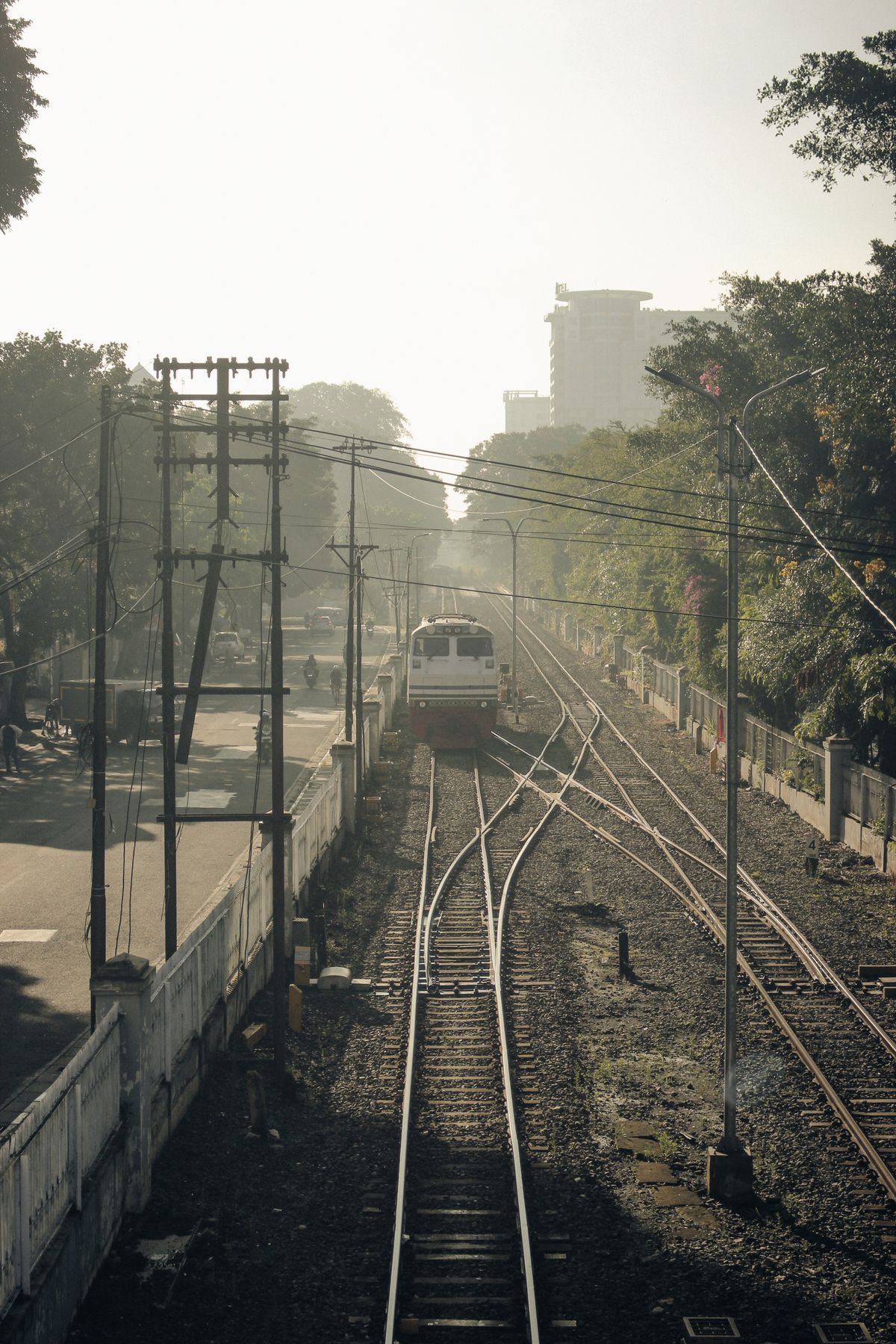
“Wrong Side of the Tracks”: An Expression About Class

Understand the phrase’s social meaning and use class-related language thoughtfully.

VOA source audio

Words and Their Stories · 6:30

Audio lesson

Source: VOA Learning English · Words and Their Stories

View original article & transcript
Read the full lesson summary

The episode explains “the wrong side of the tracks” as a phrase associated with the poorer or less-resourced part of a town, and discusses its use in stories about class differences. It also introduces “rags-to-riches,” a narrative in which someone moves from poverty to wealth. These phrases describe cultural ideas, not objective judgments about a neighborhood or its residents.

Cultural note: “Wrong side” can stigmatize people and places by treating wealthier areas as good and poorer areas as bad. Avoid labeling real communities this way; describe specific conditions or resource gaps instead. “Rags-to-riches” can also oversimplify structural barriers by implying success depends only on individual effort.

Keep exploringA familiar expression about railroad tracks carries a social judgment. Learn what it implies—and how to speak more precisely about a community.

Phrase guide · 4 expressions

Explore the expressions

Original explanations and examples, created for learners. Save a card for later or hear the phrase spoken by your browser.

Class and place

Understand the social meaning behind the phrase.

the wrong side of the tracks

Meaning

A phrase traditionally used for a poorer or less-resourced area of a town.

Tone & use

Can carry class prejudice and stigmatize residents. For real places, name specific conditions—such as limited transit or fewer public services—instead.

Example

“The report compared access to parks across neighborhoods rather than labeling one the “wrong side of the tracks.””

NegativeInformal / potentially stigmatizing

Stories of change

Recognize a familiar narrative about moving from poverty to wealth.

rags-to-riches

Meaning

Describing a story of someone moving from poverty to wealth.

Tone & use

Often used for an inspiring success narrative. It can oversimplify how luck, public policy, and unequal access shape people’s opportunities.

Example

“The documentary questions the idea that every rags-to-riches story follows the same path.”

NeutralNeutral / idiomatic

overcome an obstacle

Meaning

Succeed despite a difficulty or barrier.

Tone & use

A neutral phrase. When discussing social barriers, avoid suggesting that individuals alone should have to solve problems created by unequal systems.

Example

“The residents organized together to overcome the obstacle of a missing pedestrian crossing.”

PositiveNeutral

Describe conditions precisely

Replace labels with specific, respectful descriptions.

few and far between

Meaning

Not common or easy to find; widely separated.

Tone & use

Use for things that are scarce, such as clinics or bus routes. It describes frequency or distance, not the people who live nearby.

Example

“Late-night buses are few and far between in the outer suburbs.”

NegativeInformal / idiomatic

Knowledge check

Try it

Choose the expression that best fits each situation.

Try it · Choose the best expression

1 of 3

You are comparing two neighborhoods with different bus access. What is the clearest approach?