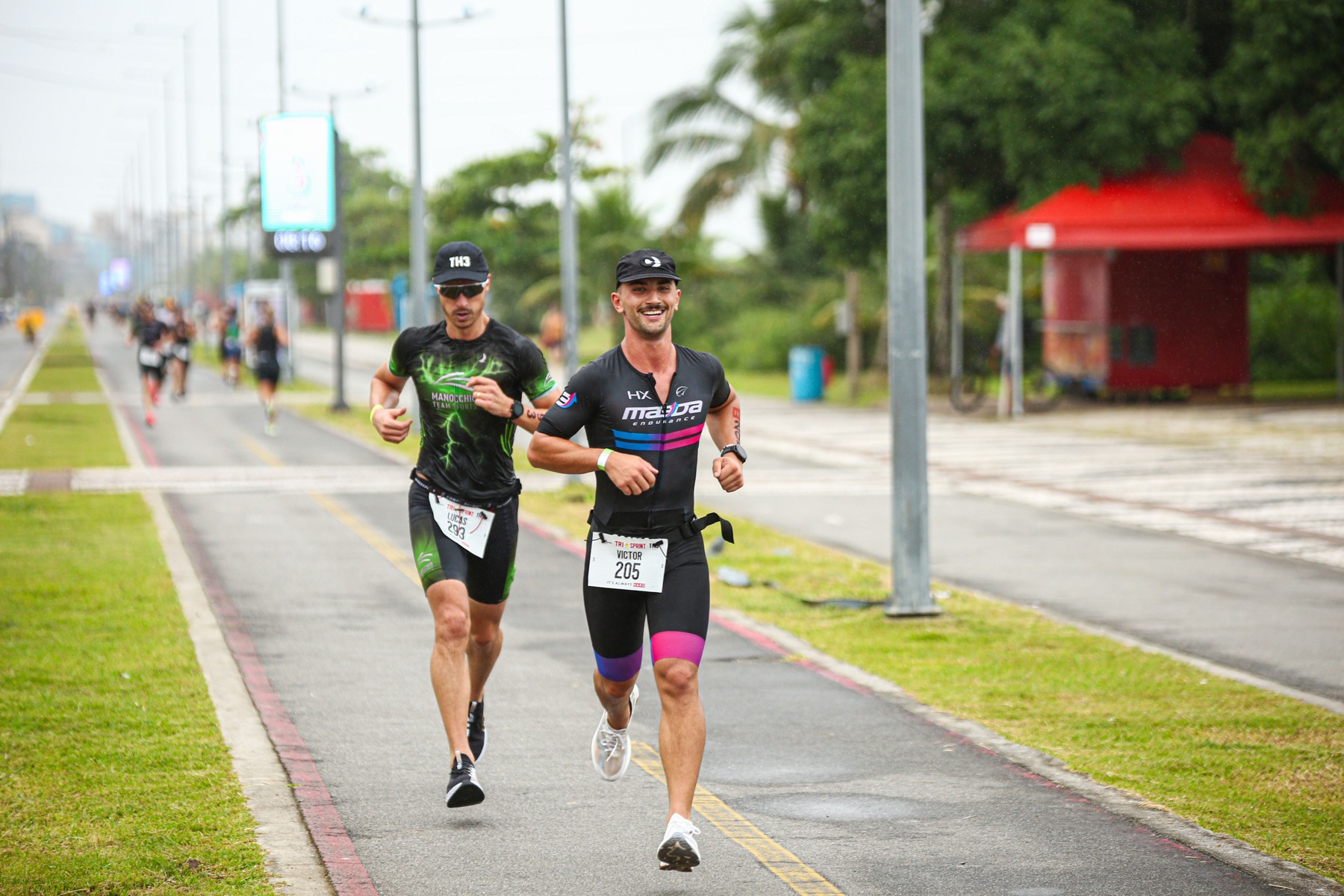
work up a sweat
Meaning
Exercise or work hard enough to begin sweating.
Tone & use
Usually describes physical activity or strenuous work.
Example
“We worked up a sweat carrying the boxes upstairs.”
NeutralInformal
Learn
Watch & LearnLearning Paths
English for Daily LifeEnglish for Social ConnectionEnglish for WorkVOA English
Words and Their StoriesLearning Expressions with VOA
Processed with VS1Talk about effort, nervousness, and reassurance with everyday expressions about sweat.
VOA source audio
Source: VOA Learning English · Words and Their Stories
View original article & transcript“Work up a sweat” means exercise or work hard enough to sweat; “barely break a sweat” means do something without much effort. A “cold sweat” can signal fear or anxiety. “No sweat” and “don’t sweat it” reassure someone that something is easy or not a problem, while “don’t sweat the small stuff” advises not to worry about minor things.
Cultural note: “No sweat” and “don’t sweat it” are informal and friendly, but use them when the other person is comfortable with a casual tone. “Don’t sweat the small stuff” can minimize a concern if the problem matters deeply to someone.
Keep exploringThe same word can describe physical effort, nervousness, or a relaxed response. Listen for context and tone.
Phrase guide · 6 expressions
Original explanations and examples, created for learners. Save a card for later or hear the phrase spoken by your browser.
Describe hard work—or something that took very little effort.
Meaning
Exercise or work hard enough to begin sweating.
Tone & use
Usually describes physical activity or strenuous work.
Example
“We worked up a sweat carrying the boxes upstairs.”
Meaning
Do something with very little effort or difficulty.
Tone & use
Can be literal, but often emphasizes how easy a task felt.
Example
“She finished the short hike without breaking a sweat.”
Recognize expressions for fear, anxiety, and visible stress.
Meaning
Suddenly become sweaty from fear, nervousness, or worry.
Tone & use
Often describes a strong reaction to an intimidating or frightening situation.
Example
“I broke out in a cold sweat when I realized I had left my passport at home.”
Respond casually when something is easy or not worth worrying about.
Meaning
It was easy, or helping is not a problem.
Tone & use
Informal. It is a relaxed response to thanks or a small request.
Example
““Thanks for carrying that.” “No sweat.””
Meaning
Do not worry about it; it is not a serious problem.
Tone & use
Informal reassurance. It can sound dismissive if the other person is genuinely upset.
Example
““Sorry I’m five minutes late.” “Don’t sweat it—we just got here.””
Meaning
Do not become upset about minor problems.
Tone & use
A familiar piece of advice, but check that the problem really feels small to the person hearing it.
Example
“The presentation went well; try not to sweat the small stuff in the feedback.”
Knowledge check
Choose the expression that best fits each situation.
Try it · Choose the best expression
1 of 3