RRealTalkBridge
Back to Words and Their Stories

Learning Expressions with VOA

Processed with VS1

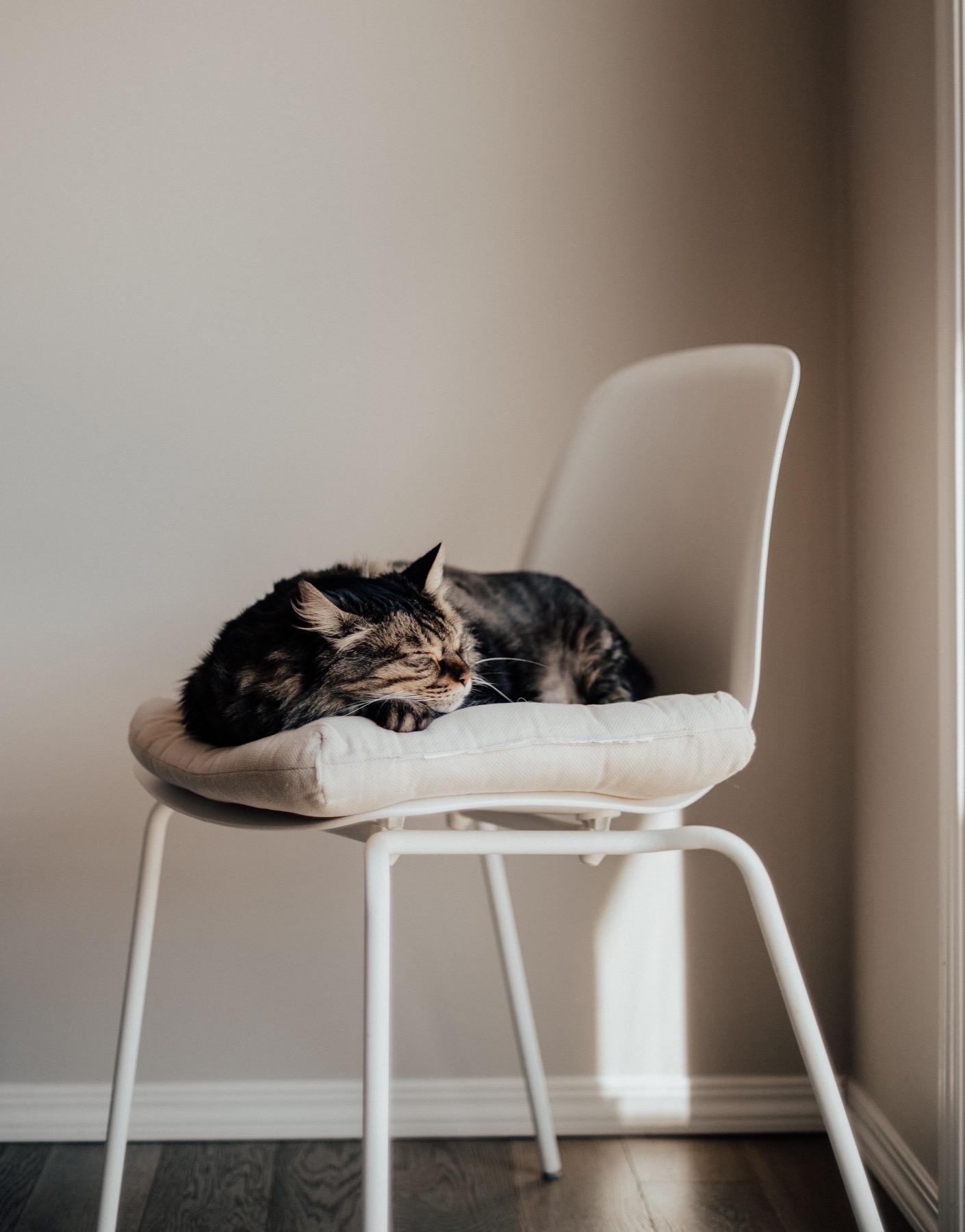
Let Sleeping Dogs Lie: When to Leave Things Alone

Talk about avoiding needless trouble—and distinguish that choice from ignoring harm.

VOA source audio

Words and Their Stories · 5:08

Audio lesson

Source: VOA Learning English · Words and Their Stories

View original article & transcript
Read the full lesson summary

“Let sleeping dogs lie” means avoid reopening a situation when doing so is likely to create more trouble. Related phrases include “leave well enough alone” and “stir up trouble.” “Turn a blind eye” is different: it means choose not to notice something, often wrongdoing.

Cultural note: This proverb is not a reason to ignore bullying, abuse, safety risks, or other harm. The source explicitly distinguishes choosing not to rekindle a resolved problem from turning a blind eye to something harmful.

Keep exploringSometimes another intervention makes a small problem worse. Learn how English describes leaving it alone—and when inaction is not appropriate.

Phrase guide · 4 expressions

Explore the expressions

Original explanations and examples, created for learners. Save a card for later or hear the phrase spoken by your browser.

Do not reopen it

Describe a choice to avoid an unnecessary new intervention.

let sleeping dogs lie

Meaning

Avoid restarting a settled situation that could create more trouble.

Tone & use

A proverb often used as advice when a matter is already forgotten or resolved. It does not justify avoiding responsibility for harm.

Example

“The misunderstanding was resolved months ago, so I decided to let sleeping dogs lie rather than send another angry message.”

NeutralNeutral / proverbial

leave well enough alone

Meaning

Avoid changing or interfering with something that is already satisfactory.

Tone & use

Often used to suggest that an unnecessary change could make things worse.

Example

“The recipe already tastes good, so let’s leave well enough alone instead of adding five more ingredients.”

NeutralNeutral / idiomatic

stir up trouble

Meaning

Cause or intensify conflict or difficulty.

Tone & use

Usually negative. A new comment, action, or rumor can stir up trouble.

Example

“Repeating an unverified rumor could stir up trouble between the neighbors.”

NegativeInformal

Ignoring wrongdoing is different

Recognize when silence can let harm continue.

turn a blind eye

Meaning

Choose to ignore something, especially a problem or wrongdoing.

Tone & use

Often critical when someone with responsibility ignores harm. This is not the same as letting a resolved, harmless matter rest.

Example

“The supervisor could not turn a blind eye to repeated safety violations.”

NegativeNeutral / idiomatic

Knowledge check

Try it

Choose the expression that best fits each situation.

Try it · Choose the best expression

1 of 3

A minor disagreement has been resolved, and bringing it up again would probably create new conflict. What advice fits?