RRealTalkBridge
Back to Words and Their Stories

Learning Expressions with VOA

Processed with VS1

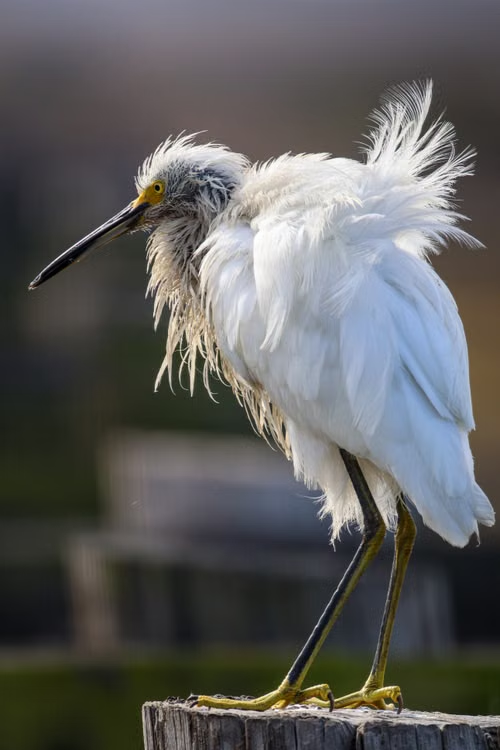
Ruffle Feathers: Annoyance, Reactions, and Change

Learn how “ruffle someone’s feathers” can mean upsetting people or challenging the usual way of doing things.

VOA source audio

Words and Their Stories · 5:06

Audio lesson

Source: VOA Learning English · Words and Their Stories

View original article & transcript
Read the full lesson summary

This episode begins with bird expressions, then centers on “ruffle someone’s feathers.” It can describe upsetting someone, but it can also describe an action that challenges the status quo. Similar annoyance phrases do not carry that second meaning.

Cultural note: “Ruffle feathers” may sound disapproving of a change, or it may present the change as necessary despite resistance. The expression alone does not show whether the action is fair; explain the policy or impact when that matters.

Keep exploringA phrase about bothered birds can describe both an irritating habit and a rule change that challenges convention. Context tells you which meaning is intended.

Phrase guide · 5 expressions

Explore the expressions

Original explanations and examples, created for learners. Save a card for later or hear the phrase spoken by your browser.

Bothering or upsetting someone

Describe behavior that annoys or unsettles other people.

ruffle someone’s feathers

Meaning

Upset or bother someone; it can also mean shake up the status quo.

Tone & use

Informal. The surrounding context distinguishes annoyance from change. To “ruffle a few feathers” means to upset multiple people.

Example

“The new seating plan ruffled a few feathers, but it made the room easier for everyone to navigate.”

NegativeInformal / idiomatic

drive someone up the wall

Meaning

Annoy someone greatly.

Tone & use

Informal and stronger than simply “bother.” It describes irritation, not changing an established system.

Example

“The constant alarm from the empty office drove the night staff up the wall.”

NegativeInformal / idiomatic

get under someone’s skin

Meaning

Annoy or unsettle someone, sometimes by lingering in their thoughts.

Tone & use

Informal; it can also describe a person or remark that affects someone emotionally.

Example

“The dismissive comment got under his skin long after the meeting ended.”

NegativeInformal / idiomatic

get on someone’s nerves

Meaning

Irritate someone, especially through repeated behavior.

Tone & use

Informal and direct; often used for ongoing, small annoyances.

Example

“The tapping from the next desk was starting to get on my nerves.”

NegativeInformal / idiomatic

Challenging the usual way

Talk about a change that may meet resistance.

shake things up

Meaning

Make significant changes to a familiar situation or system.

Tone & use

Informal and broader than “ruffle feathers”; it does not necessarily suggest that anyone is upset.

Example

“The new director shook things up by inviting frontline staff to redesign the process.”

NeutralInformal / figurative

Knowledge check

Try it

Choose the expression that best fits each situation.

Try it · Choose the best expression

1 of 3

A new workplace policy changes the normal routine and some employees dislike it. Which phrase can describe the change and reaction?