bogus
Meaning
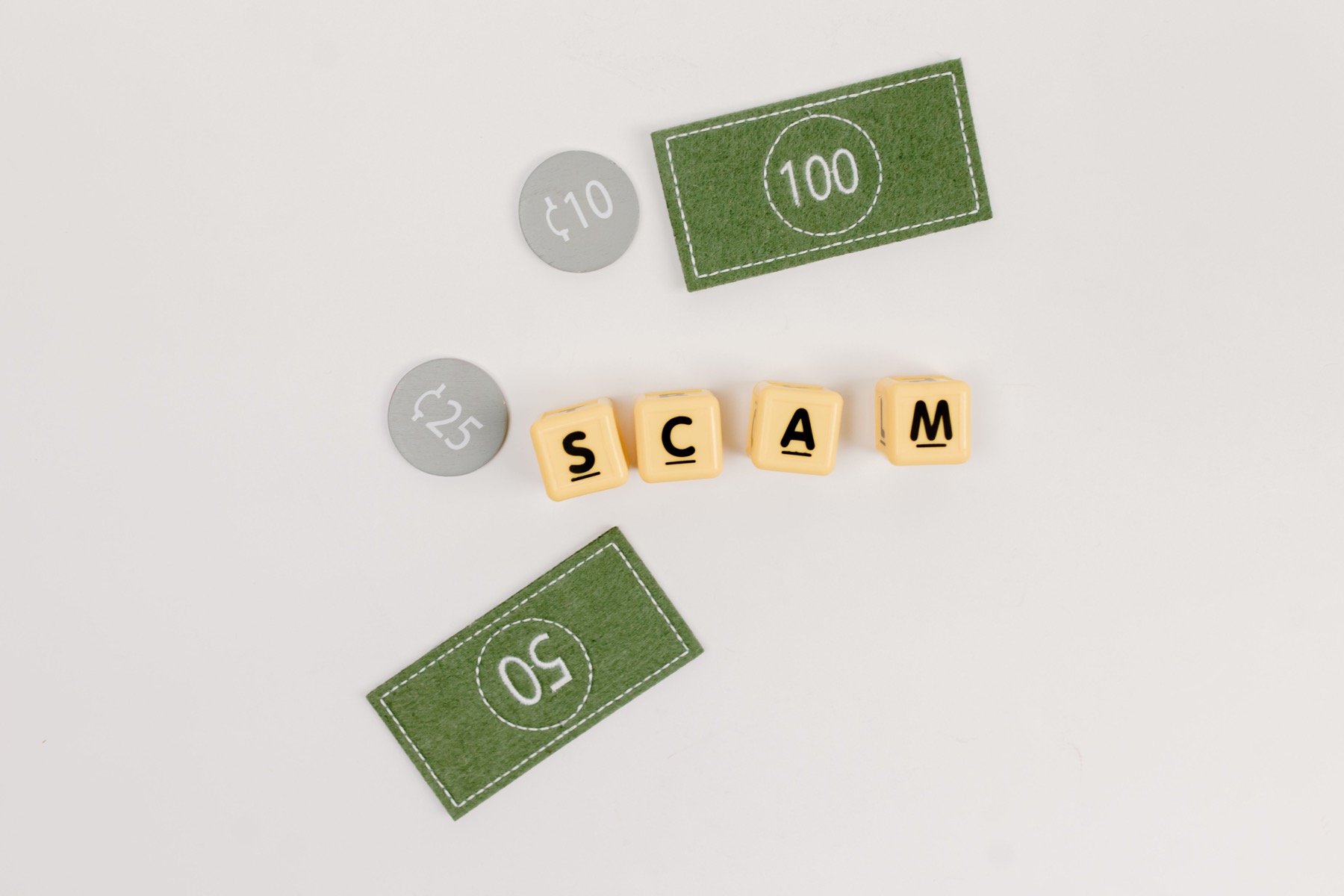
Fake, false, or not genuine.
Tone & use
Informal and direct; it can describe an object, excuse, reason, or claim.
Example
“The seller’s claim that the watch was antique turned out to be bogus.”
NegativeInformal
Learn
Watch & LearnLearning Paths
English for Daily LifeEnglish for Social ConnectionEnglish for WorkVOA English
Words and Their StoriesLearning Expressions with VOA
Processed with VS1Distinguish genuine claims from phony excuses, unsupported stories, and clear evidence.
VOA source audio
Source: VOA Learning English · Words and Their Stories
View original article & transcriptThe episode explains “bogus” for something fake or untrue and connects it to “phony,” “counterfeit,” and “sham.” It also gives the idiom “doesn’t hold water” for an explanation that is not convincing or supported.
Cultural note: “Bogus” is informal and can sound blunt when applied to a person’s explanation. In work or service settings, a neutral phrase such as “I can’t verify that claim” may be more constructive.
Keep exploringWhen a claim seems suspicious, separate what you know from what you suspect. Practise questioning the evidence without jumping to accusations.
Phrase guide · 6 expressions
Original explanations and examples, created for learners. Save a card for later or hear the phrase spoken by your browser.
Describe whether an object or claim is authentic.
Meaning
Fake, false, or not genuine.
Tone & use
Informal and direct; it can describe an object, excuse, reason, or claim.
Example
“The seller’s claim that the watch was antique turned out to be bogus.”
Meaning
Real, authentic, or sincerely felt.
Tone & use
A neutral word for objects and feelings. For factual claims, use it only when evidence supports authenticity.
Example
“The gallery confirmed the painting was genuine.”
Meaning
Made to look like something genuine, usually to deceive.
Tone & use
More formal than “fake”; often used for money, goods, or documents.
Example
“The shop trained staff to recognize counterfeit bills.”
Explain why a story does or does not seem believable.
Meaning
Is not convincing or cannot be supported by facts.
Tone & use
Often used about an argument, explanation, or excuse. It focuses on credibility, not literal water.
Example
“The explanation doesn’t hold water because the receipt shows the package was delivered later.”
Recognize language for a false or invented situation.
Meaning
Not real or sincere; designed to deceive.
Tone & use
Informal and critical, especially when describing behavior or an excuse.
Example
“The caller used a phony name and refused to explain why he needed the account number.”
Meaning
A false or deceptive situation presented as genuine.
Tone & use
Often describes a plan, process, or event that is not what it claims to be.
Example
“The investigation found that the supposed contest was a sham.”
Knowledge check
Choose the expression that best fits each situation.
Try it · Choose the best expression
1 of 3